How long smoke sat before cleaning started
Soot is acidic and keeps working on finishes, metals, and porous materials. The longer it sits, the more surfaces shift from cleanable to replaceable, and odor removal grows harder.
Serving San Jose, California & surrounding areas
24/7 Emergency Response
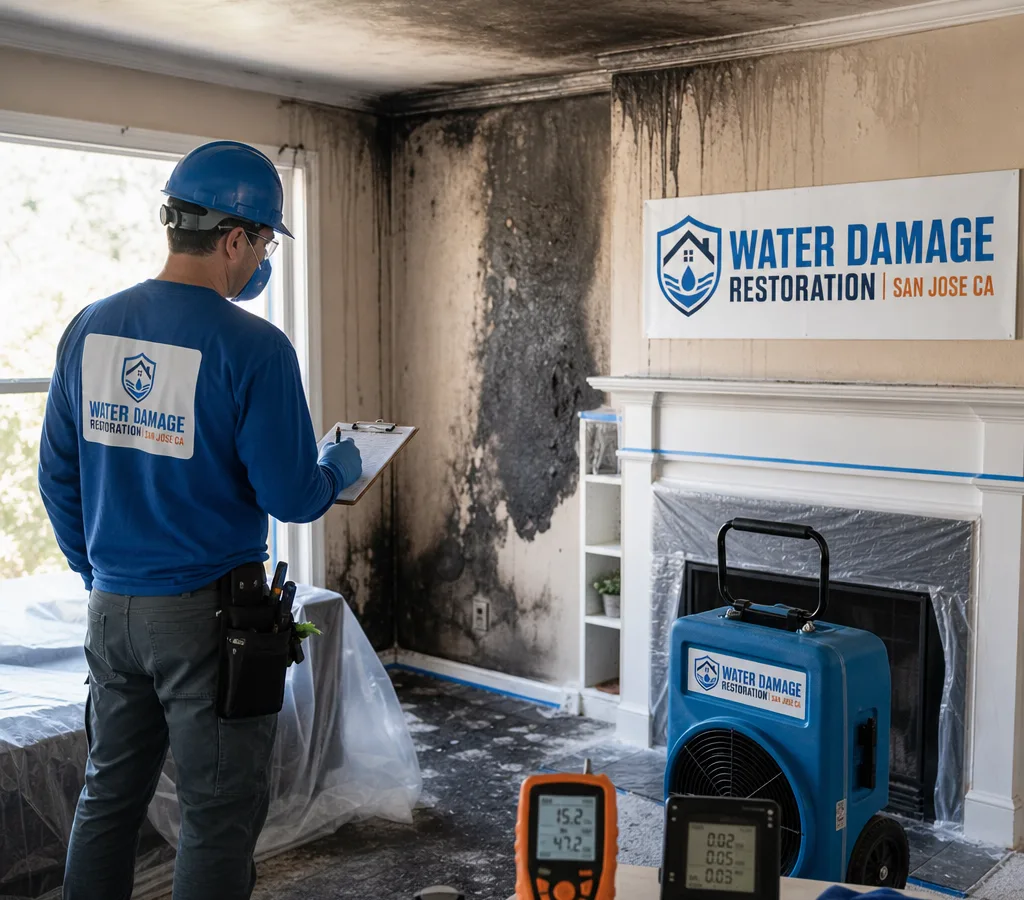
Fire damage restoration in San Jose
Get a clear plan after a fire: safe debris removal, smoke and soot cleanup, odor control, and repair coordination to help you move forward.
Fire damage restoration cost in San Jose
Published San Jose figures range from $1,500 to $46,800, and that is not an error — it reflects four very different jobs that get grouped under one label. The breakdown below shows what each level of fire damage actually runs.
| Level of damage | Typical cost | What drives it |
|---|---|---|
| Smoke and odour removal, no structural damage | $1,500 – $6,500 | Square footage, how much of the contents were affected, and whether ductwork was involved |
| Whole-home smoke cleaning | Roughly $4.25 – $6.50 per square foot | Total area treated and the surfaces that need cleaning |
| Typical San Jose fire restoration job overall | $3,500 – $46,800 | The full mix of cleaning, deodorization, and repair on the property |
| Structural repair and rebuild | Top of that range | Varies with the extent of the damage to framing, drywall, and fixed finishes |
A second loss hiding in the same incident
Water used to suppress a fire soaks structure and contents — drywall, insulation, subfloors, and whatever the hose stream reached on its way to the flames. That water damage often needs extraction and structural drying alongside the smoke work, and it is priced and documented as its own part of the job.
If suppression water is part of your loss, the drying scope should be assessed before any surfaces are closed back up. For planning that side of the project, see our page on water damage restoration.
Cost drivers
Soot is acidic and keeps working on finishes, metals, and porous materials. The longer it sits, the more surfaces shift from cleanable to replaceable, and odor removal grows harder.
Smoke that entered ductwork can carry odor back into every room the system serves. Cleaning ducts and replacing filters adds a distinct line to the scope.
Every item sorted for cleaning saves replacement cost; every item that cannot be cleaned adds disposal and repurchase. The cleanable-to-replaceable ratio moves totals significantly.
Jobs that end at cleaning and deodorization sit near the bottom of the published range. Once framing, drywall, or flooring must be repaired or rebuilt, the project climbs toward the top.
Cleanup beyond the visibly burned area
When a fire happens, the damage is not limited to what burned. Soot can travel through HVAC returns, smoke can settle into insulation and cabinets, and water used to put the fire out can soak drywall and flooring. Our team at Water Damage Restoration San Jose CA provides fire damage restoration in San Jose with a practical, step-by-step approach: stabilize the structure, remove unsafe debris, clean and deodorize, and help you document loss so repairs can start.
In San Jose, we often see heavy smoke impact even from small fires because many homes are tightly built and share air pathways through attics and ductwork. If your property is near busy corridors like US-101, I-280, or CA-87, you already know how fine particles get into everything. Fire residue behaves the same way, but it is far more corrosive and harder to remove. Fast action reduces permanent staining, rust on metal fixtures, and lingering odor.
If the fire department used water, you may also need immediate drying to prevent secondary damage. If that is part of your situation, our crew can coordinate the initial dry-out as part of a single plan and address emergencies that involve both smoke and water. For planning, see our page on water damage restoration cost.
Safety, cleaning, and controlled rebuilding
Fire damage restoration is a mix of safety work, detailed cleaning, and controlled rebuilding. The right scope depends on where the fire started, how smoke moved, what materials burned, and whether suppression water affected walls or subfloors.
Common work included in fire damage restoration San Jose CA projects
Timing matters because soot is acidic and can etch finishes and corrode metals. Even a day or two can make the difference between a surface that cleans up and one that needs replacement.
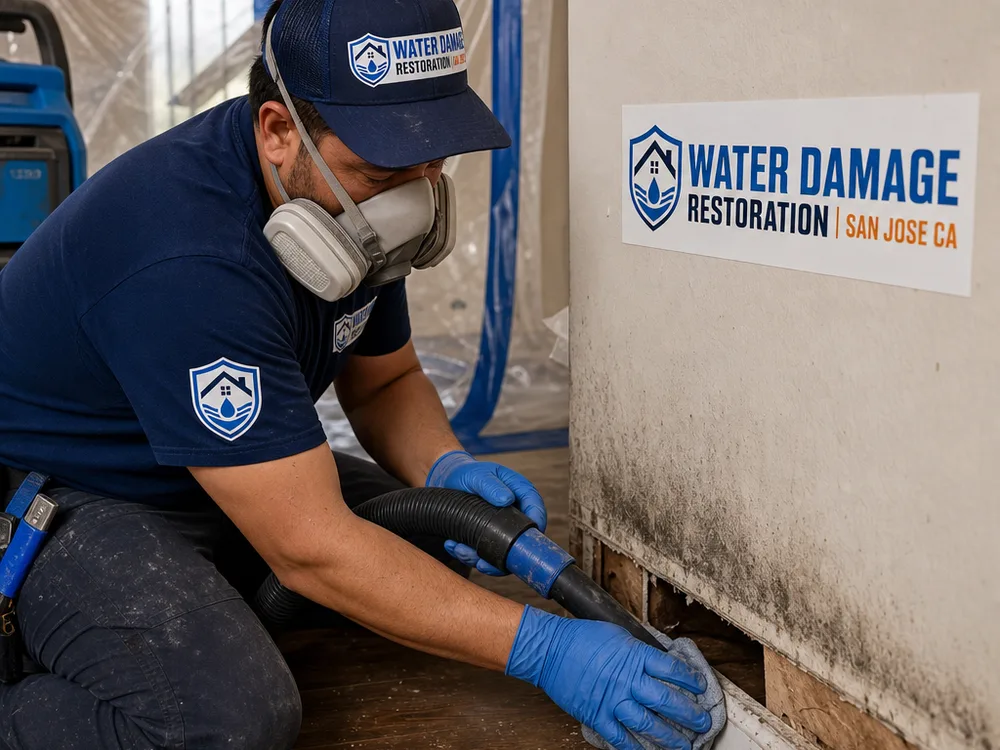
A documented, material-specific plan
You get a clear outline of affected areas, what gets removed vs. cleaned, and what needs repair so decisions are made with facts, not guesses.
We use plastic containment and HEPA air filtration where appropriate to keep soot from migrating into clean rooms during demolition and cleaning.
Dry sponges, alkaline cleaners, and controlled agitation are selected by material. The goal is to remove residue without driving it deeper.
We prioritize removing charred and smoke-impacted porous materials first, then apply deodorization steps matched to what remains.
Photos, notes, and itemization help you communicate the loss and required scope, whether you are using insurance or paying directly.
Neighborhood-aware inspection
Fire cleanup is never one-size-fits-all, and local building styles change the plan.
Downtown San Jose and Japantown: A mix of older construction and remodeled interiors often means multiple layers of materials. That can hide smoke pathways and make selective demolition and cavity cleaning more important.
Willow Glen and Rose Garden area: Many homes have original hardwood and detailed trim work that owners want to preserve. We focus on careful soot removal and testing small areas before choosing deep cleaning, sealing, or replacement.
Evergreen and Almaden Valley: Larger homes can have more complex HVAC layouts and big attic volumes. Smoke can travel far from the origin room, so inspections often include return paths, attic penetrations, and insulation assessment.
Berryessa: Many properties include attached garages and utility spaces where a fire can affect shared walls and ceilings. That changes what needs to be opened and cleaned to stop odor transfer.
Across San Jose, mild weather helps with ventilation and drying, but it can also tempt people to open windows and run fans right away. If soot is loose, uncontrolled airflow can spread residue into clean areas. A contained plan usually saves time and reduces re-cleaning.
From stabilization to repair planning
The sequence controls soot and debris before detailed cleaning, deodorization, and rebuilding begin.
We assess affected rooms, identify hazards such as unstable materials, electrical concerns, and sharp debris, and set priorities for securing the structure and isolating damage.
We establish controlled work zones, remove unsalvageable materials, and dispose of debris in a way that limits soot drift through the home.
We start with dry methods like HEPA vacuuming and soot sponges, then move to wet cleaning where needed. Cabinets, walls, ceilings, and hard surfaces are cleaned based on material and finish.
After residue removal, we apply deodorization and air treatment appropriate to the loss. If smoke affected the HVAC system, we discuss what should be cleaned or serviced before regular use.
Once the structure is clean and stable, we help outline rebuild needs such as drywall, paint, flooring, insulation, and trim so the project can move into repair with fewer surprises.
Planning the work
Fire damage restoration in San Jose typically ranges from about $3,000 to $12,000 for a small to moderate smoke and soot cleanup with limited demolition, while larger fires with extensive tear-out and rebuild coordination often run $20,000 to $75,000+ depending on rooms affected.
Final price changes with the size of the damaged area, how heavily soot penetrated porous materials, required containment, contents cleaning, HVAC impact, and how much reconstruction is needed after cleaning. The exact cost is confirmed after an on-site inspection and a written scope.
Answers before cleanup begins
Start as soon as the property is released for entry, because soot residue is acidic and can permanently stain or corrode surfaces as it sits. Early containment and dry soot removal also reduce how far smoke particles spread through HVAC returns, closets, and soft goods.
Smoke odor can be removed for good when the source material is addressed first, not masked. Odor often returns with heat or humidity when soot remains in porous items like insulation, carpet pad, unfinished wood, or unsealed drywall, so the plan has to include removal or sealing where cleaning cannot reach.
If it is safe and the structure is stable, avoid running the HVAC system and avoid turning on fans that can push soot into clean rooms. Limit foot traffic through damaged areas, and if possible take photos of affected rooms and contents for documentation.
It depends on how much of the home is affected and whether odor, soot, or demolition impacts kitchens, bathrooms, or bedrooms. For light smoke cleanup in a contained area, many households can stay with barriers in place, but widespread soot or heavy odor work often makes temporary relocation more comfortable.
Yes, we can provide photos, notes, and a written scope that supports the claim process and helps align cleanup and repair decisions. You still control the choices about what gets cleaned, replaced, or upgraded, and we can explain how those choices change the scope.
It can be, especially if the fire involved plastics, wiring, or synthetic furnishings that create sticky residues and strong odors. Even when staining is light, fine particles can settle on horizontal surfaces, inside cabinets, and in ductwork, which is why inspection and targeted cleaning matter.
Start with an on-site inspection
Tell us what happened and what areas were affected. We will schedule an inspection, explain what can realistically be cleaned or saved, and provide a written scope for fire damage restoration in San Jose so repairs can move forward with confidence.