Results you can use to plan work
Sampling and reporting are tied to real decisions: what areas are affected, what materials are at risk, and what level of containment is appropriate.
Serving San Jose, California & surrounding areas
24/7 Emergency Response
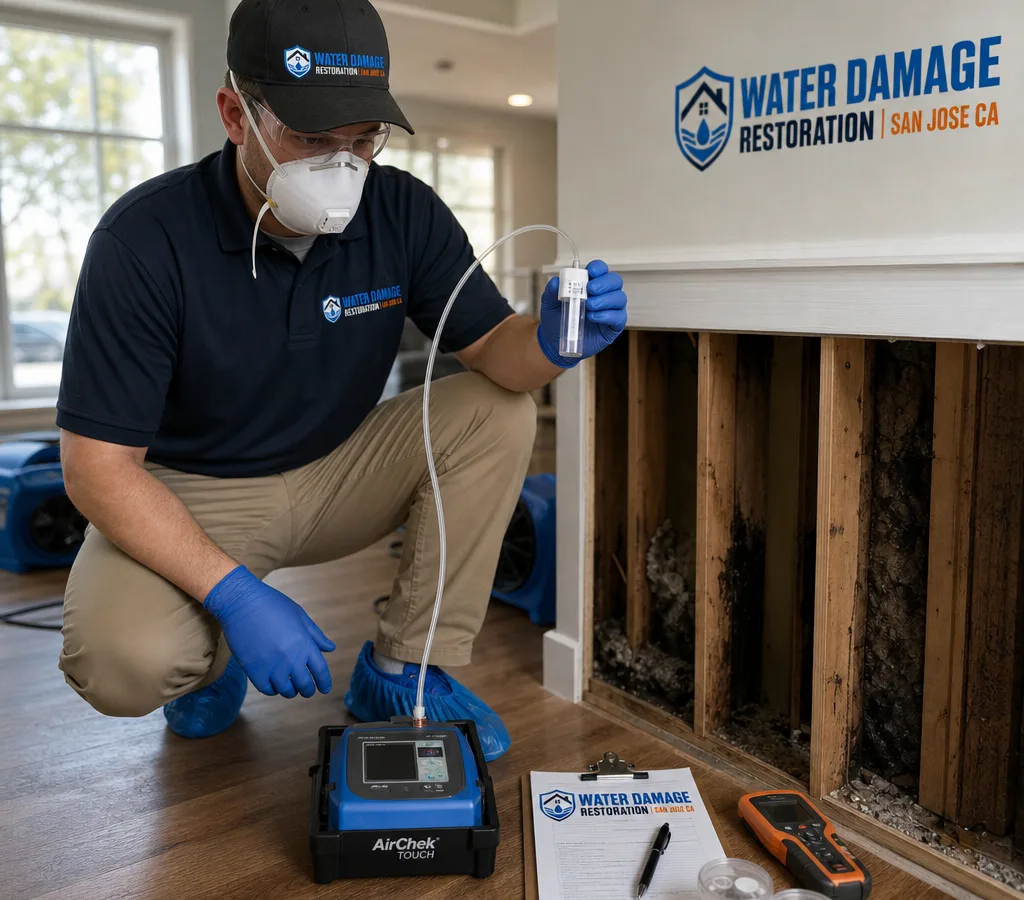
Mold testing in San Jose
If you smell something musty, see staining, or had a recent leak, get clear answers fast. Our inspectors collect defensible samples, document conditions, and provide a plain-English report you can use to plan cleanup and repairs with confidence.
Test to answer a specific question
Mold testing San Jose homeowners schedule is usually triggered by one of three things: a water event such as a roof leak, plumbing leak, or appliance overflow; a persistent odor; or health concerns that improve when you leave the house. Testing is most useful when it answers a decision, such as whether a room can be safely reoccupied, whether a small area is likely part of a bigger moisture problem, or what scope a contractor should plan for.
San Jose also has plenty of microclimates. Homes closer to the Bay can deal with heavier marine air, while foothill areas can have bigger temperature swings. Either way, the building science is the same: mold needs moisture. If moisture is still present in framing, drywall, carpet pad, or insulation, you can clean the surface and still end up with regrowth. A proper inspection focuses on the moisture source first, then uses sampling to confirm what is going on in the air and on materials.
If your situation started with a leak or flooding, it often helps to think of testing as part of a bigger recovery plan. Many clients begin with water damage restoration to stabilize wet materials, then use testing to confirm conditions before rebuild or to check that a contained cleanup did what it was supposed to do.
Evidence you can act on
A reliable mold assessment is more than taking a single air sample. Our mold testing process in San Jose focuses on evidence you can act on.
We look for water pathways and building conditions that support growth: staining, bubbling paint, baseboard swelling, condensation zones, and HVAC distribution patterns. Moisture meters and thermal imaging can help locate suspect areas so sampling is targeted instead of random.
Depending on the situation, we may recommend:
Samples are sealed, labeled, and submitted for analysis so the results are usable for remediation planning and documentation.
You receive a written summary of findings, lab results, photo documentation as needed, and practical recommendations. If remediation is required, the report outlines where containment, negative air, or selective demolition is typically appropriate. If conditions do not indicate a mold issue, we document that too so you are not paying for work you do not need.
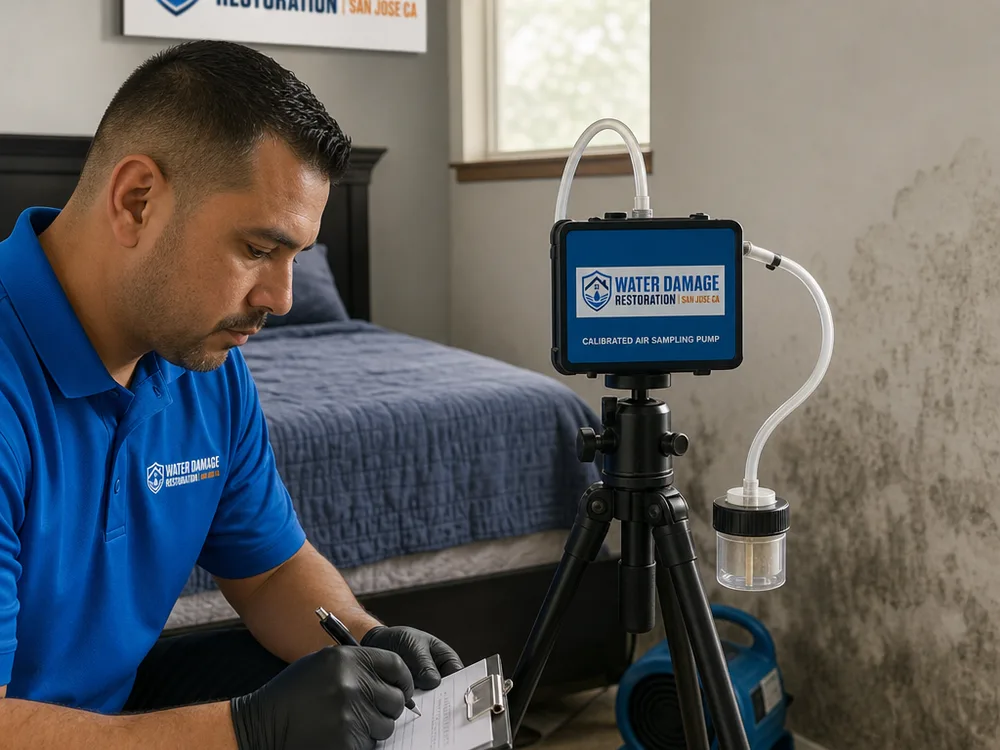
Clear findings and practical direction
Sampling and reporting are tied to real decisions: what areas are affected, what materials are at risk, and what level of containment is appropriate.
We prioritize finding why mold might be present—leaks, humidity, condensation, or wet building materials—because fixing the source is what prevents repeat problems.
You get a clear explanation of what was tested, what the lab found, and what it means for your home and timeline.
If your mold concern started with a leak, we can coordinate recommendations around drying, material removal, and rebuild sequencing so the project does not stall.
We take steps to minimize disturbance, keep sampling areas clean, and document everything so you are not left guessing.
Neighborhood-aware inspection
Older housing in neighborhoods like Willow Glen and Naglee Park can include plaster walls, layered renovations, and older plumbing runs. That combination can hide slow leaks for a long time, which changes how we inspect. We spend extra time tracing moisture paths and checking adjacent cavities when the visible stain does not match where the water started.
In Downtown San Jose and North San Jose, more residents live in multi-family buildings. Mold complaints there often involve shared walls, units above or below, or mechanical rooms. Testing needs to isolate what is coming from your unit versus building-wide air movement, so we plan sampling locations carefully and document vents, returns, and pressure differences.
In areas near the foothills such as Almaden Valley, you may see larger day-to-night temperature swings. That can increase condensation risk around supply registers, exterior corners, and poorly insulated cavities. When we suspect condensation rather than a single leak, we focus on patterns: repeated spotting in the same cold zones, seasonal recurrence, and the relationship to HVAC use.
No matter where you are in San Jose, the goal is the same: combine a careful inspection with the right sample types so the report reflects the real conditions in the building, not a guess.
From concern to clear findings
Each step keeps the sampling focused on the decisions you need to make about cleanup, occupancy, and repairs.
You tell us what happened—leak, odor, visible staining, or health concerns—and where. We confirm what question the testing needs to answer so we do not over-sample or under-sample.
We walk the affected areas, look for likely moisture sources, and use tools like moisture meters or thermal imaging when it helps narrow down where to sample.
We collect the agreed sample types—air, swab, tape, or bulk. Each sample is labeled and logged with location, conditions, and notes that support interpretation.
Samples go to a qualified lab for analysis. You receive results with explanations and practical recommendations for cleanup, containment, and prevention.
If remediation is needed, we can help translate findings into a work plan and sequencing so drying, removal, and rebuild happen in the right order.
Planning the inspection
Mold testing in San Jose typically ranges from about $350 to $950+, depending on how many areas are sampled and whether air, surface, or material samples are needed. A basic inspection with one to two samples is often on the lower end, while larger homes, multi-room concerns, or situations needing multiple comparison samples cost more.
Final pricing is driven by the number of sampling locations, access such as attics or crawl spaces, whether the home is occupied, and how complex the moisture investigation is. The exact cost is confirmed after the on-site inspection and a sampling plan that matches your situation.
Answers before you schedule
Scheduling depends on current demand, but many inspections can be arranged quickly when there is an active concern like a recent leak or visible growth. If the home has had water intrusion within the last day or two, it is smart to prioritize moisture control first so testing reflects stable conditions rather than a rapidly changing drying situation.
If you have clear, limited visible growth and you already plan to remove the affected materials under proper containment, testing may not change the plan. Testing is most useful when the source or extent is unclear, when you need documentation for a landlord or insurer, or when you want to verify whether the air is affected beyond the visible spot.
Air sampling measures what is suspended in the air at the time of testing and is interpreted by comparing indoor results to an outdoor control sample. A surface swab identifies what is on a specific spot or residue. In many San Jose homes after a leak, we use air samples to check room conditions and a targeted surface sample to confirm a suspect area or document what was found on a building material.
Yes, and those areas often matter in San Jose because plumbing runs, roof leaks, and ventilation issues can create hidden moisture. We can inspect and sample attics and crawl spaces when access is safe; tight entries, low clearance, or stored items may limit where we can take representative samples.
Testing can support that decision, but it works best when combined with an inspection that identifies moisture sources and affected materials. Your report should connect findings to next steps, such as whether containment is recommended, whether porous materials likely need removal, and whether additional investigation is warranted behind walls or under flooring.
Avoid heavy cleaning, fogging, or running ozone devices right before sampling because it can distort results. Basic tidying is fine, but if possible keep conditions normal for the day. If you recently used strong cleaners or had construction dust, tell the inspector so the results can be interpreted correctly.
Yes. If results indicate remediation, we can help you move from testing to an action plan that prioritizes moisture control, appropriate containment, and safe removal of affected materials. Many clients also want guidance on stabilization steps after a leak, and our team at Water Damage Restoration San Jose CA can coordinate that transition so the project stays organized.
Start with a practical sampling plan
Describe what you are seeing or smelling and when the problem started. We will recommend a practical sampling plan, deliver a readable report, and help you map the next steps if cleanup or repairs are needed.