Inspection focused on moisture
We look for the water source first, then map the affected materials. Moisture meters and a careful visual check guide what gets removed and what can be cleaned.
Serving San Jose, California & surrounding areas
24/7 Emergency Response
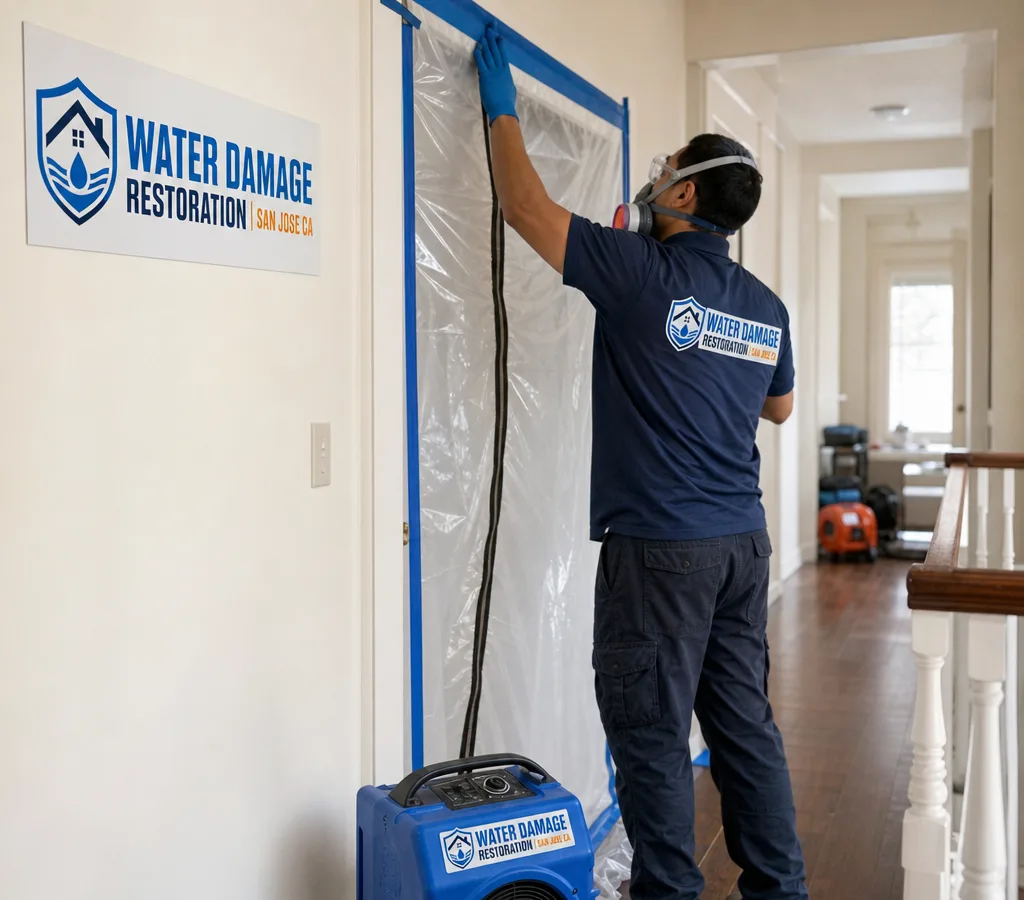
Mold removal in San Jose
Stop mold at the source with professional inspection, tight containment, and thorough cleanup for homes and commercial spaces across San Jose.
Source-focused cleanup
If you are searching for mold removal San Jose, you are usually dealing with one of two situations: visible growth—often around bathrooms, laundry areas, or windows—or a musty smell after a leak or damp spell. Either way, the goal is the same: remove contaminated materials safely, clean what can be cleaned, and fix the moisture condition so mold does not come right back.
Our team at Water Damage Restoration San Jose CA focuses on practical, jobsite-proven steps: identify where moisture is getting in, isolate the work area, use HEPA filtration to control airborne particles, and perform a detailed clean that includes the hidden dust that can keep spores circulating.
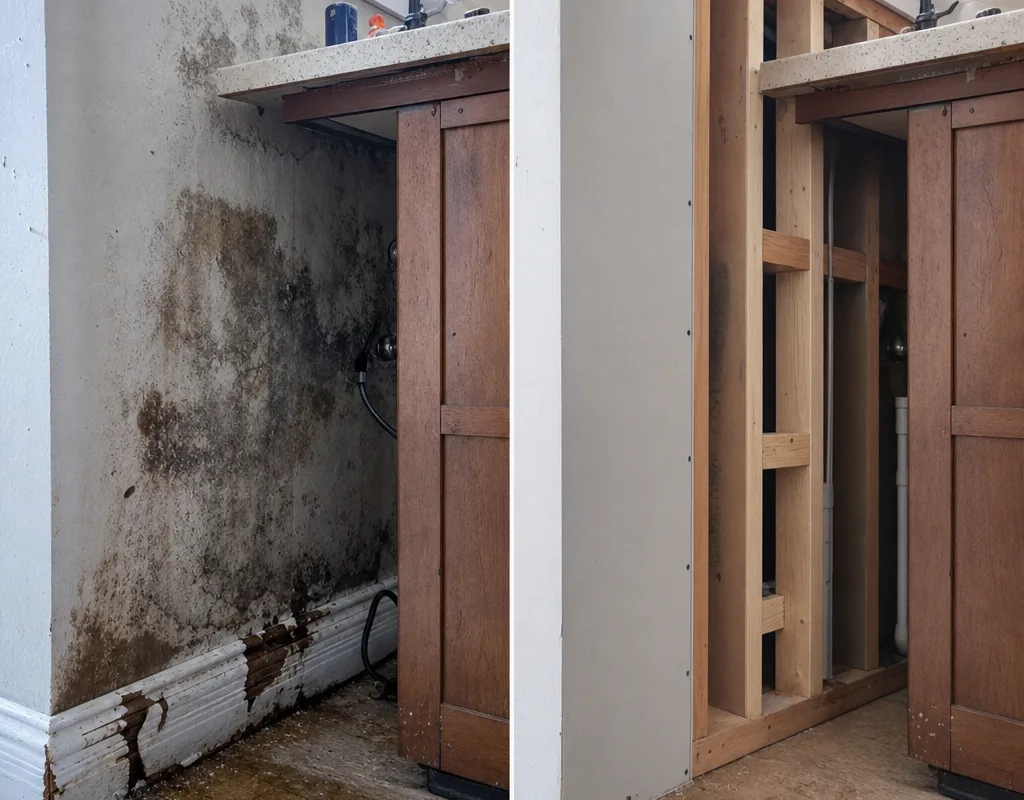
In San Jose, mold issues commonly show up after plumbing leaks in walls, A/C condensate problems, or slow roof or window leaks that go unnoticed. You might see discoloration on drywall, bubbling paint, warped baseboards, or swelling around cabinets. If you are unsure whether it is mold or just staining, an on-site inspection is the fastest way to confirm what you are dealing with and what should be removed versus cleaned.
Many mold projects are connected to water intrusion, so if the mold followed a leak or flooding, our water damage restoration service can support the drying and repair coordination that needs to happen alongside remediation. For budgeting, here is what water damage restoration in San Jose costs by loss type.
Protect clean areas during removal
Surface wiping rarely solves a mold problem because the growth you see is often only part of the contamination. When drywall, insulation, carpet pad, or particleboard gets wet, mold can develop inside the material where cleaning sprays cannot reach. Scrubbing can also release spores into the air and spread them through the return air path of an HVAC system.
Professional mold removal in San Jose typically includes controlled demolition when needed, source control, and post-clean verification steps such as a careful visual inspection and moisture checks. The point is not to make an area smell better for a week. The point is to remove impacted materials and residues so the space can be safely rebuilt and reoccupied.
If you have asthma, allergies, an immunocompromised household member, or you are dealing with a larger affected area, professional containment and HEPA filtration matter. The same applies to commercial properties where indoor air quality and business continuity are part of the decision.
A complete removal scope
We look for the water source first, then map the affected materials. Moisture meters and a careful visual check guide what gets removed and what can be cleaned.
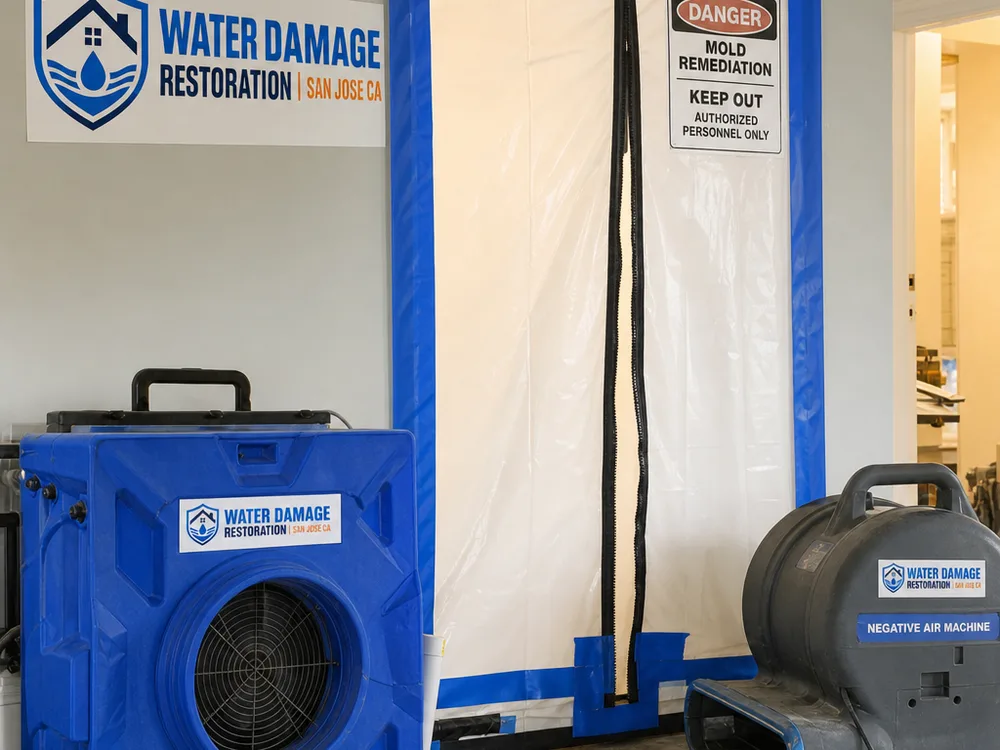
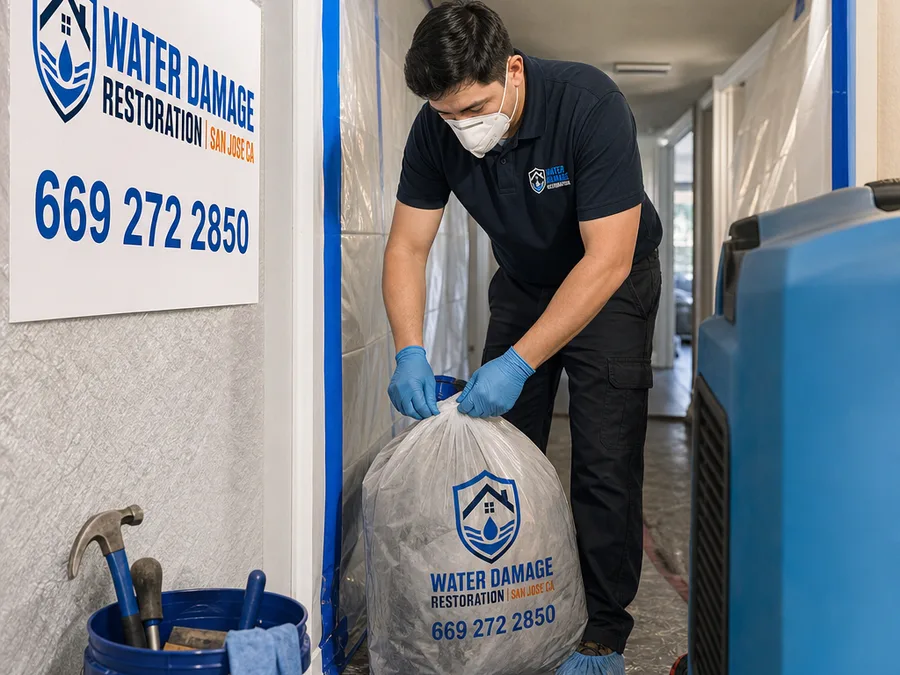
Poly containment, critical barriers, and HEPA air scrubbers help keep particles from migrating to clean areas during removal and cleanup.
When drywall, insulation, carpet pad, or cabinetry is contaminated or swollen, removing and bagging it correctly is often the cleanest route to a durable fix.
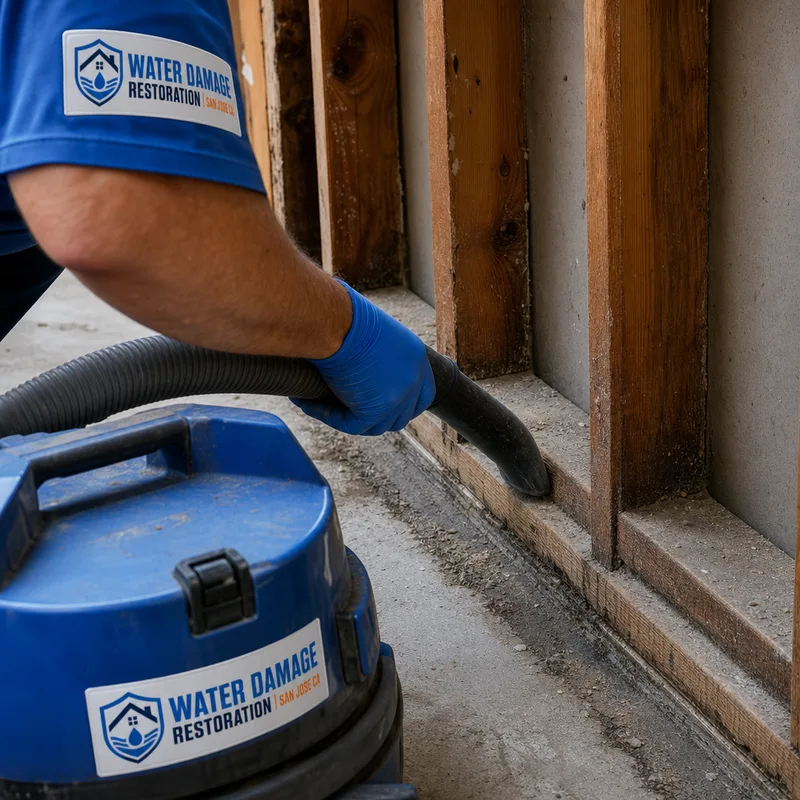
We use HEPA filtration and appropriate antimicrobial products where needed to clean framing, concrete, and other remaining surfaces.
Mold remediation works only when moisture is controlled. We outline next steps to keep the area dry during and after the project.
You get a written plan that explains what areas are included, what will be opened, and what will be removed so you can make decisions before demolition starts.
From assessment to final review
Each stage controls contamination while addressing the moisture conditions behind the problem.
We inspect the suspect areas, check adjacent rooms when needed, and note building materials and moisture conditions that affect the remediation plan.
We isolate the work zone using poly sheeting, zipper doors, and negative air where appropriate, with HEPA filtration running to manage airborne particles.
Contaminated porous materials are removed and bagged. Remaining surfaces are HEPA vacuumed and cleaned, with extra attention to dust reservoirs like ledges, framing, and floor edges.
We verify the area is drying properly and coordinate next steps if there is an active leak, elevated humidity, or wet building materials that need drying time.
We confirm the scope is complete with a detailed visual check and moisture verification where applicable, then discuss rebuild readiness and prevention steps.
Neighborhood-aware planning
San Jose has a mix of older homes and newer construction, and mold risk factors differ depending on the building and the microclimate.
In Willow Glen, many homes have older wall assemblies and remodel layers, so slow plumbing leaks can stay hidden until swelling or staining shows up. In Downtown San Jose, condos and mixed-use buildings can see mold around shared plumbing chases or after unit-to-unit water events, where containment planning matters to avoid cross-contamination.
In Almaden Valley and Evergreen, larger homes often have multiple bathrooms and longer plumbing runs, which raises the odds that a small leak travels before it becomes visible. In Cambrian Park, slab and crawlspace conditions vary, and musty odors can come from subfloor moisture, bathroom exhaust issues, or past leaks that were dried but never cleaned.
Regardless of neighborhood, the success of mold removal comes down to three things: removing impacted materials, capturing and cleaning fine particulate, and keeping moisture under control. If you need help stabilizing the property after a leak, our broader water damage restoration in San Jose work often pairs naturally with remediation so drying and cleanup stay coordinated.
Planning the scope
Mold removal in San Jose typically ranges from about $900 to $3,500 for many residential jobs, while larger or multi-room projects can run $4,000 to $10,000+ depending on what must be removed and rebuilt. A small, contained area with limited demolition is usually at the lower end; crawlspaces, multiple rooms, or projects tied to ongoing moisture issues trend higher.
Final cost depends on the affected square footage, material type—drywall and insulation versus concrete or tile—access, required containment level, and whether drying or repairs are needed. Exact pricing is confirmed after an on-site inspection and written scope.
Controlled removal and detailed cleaning
Answers before cleanup begins
Start times depend on current scheduling and the urgency of the moisture situation, but mold jobs tied to an active leak or recent water event are typically prioritized. The first step is a prompt inspection so we can define the affected area, decide on containment, and stop ongoing moisture before cleanup begins.
Yes, we remediate mold growth based on conditions and safe work practices, not just color. Many molds can look dark on drywall or wood, so we treat any suspected contamination with proper containment, HEPA filtration, and careful removal and cleaning where needed.
Yes. Drywall and insulation are porous and often cannot be reliably cleaned once contaminated, so removal is commonly part of a correct remediation plan. We remove impacted sections in a controlled way inside containment and then clean remaining framing and surrounding surfaces.
Often, yes, if the affected area can be fully contained and there is a safe path in and out for technicians and debris. For larger projects, for work that affects essential rooms, or for sensitive occupants, it may be more comfortable to limit access to the work zone until cleanup is complete and the area is dry.
Air or surface testing can be arranged when it supports a clear decision, but many projects can be scoped from visible conditions, moisture findings, and material assessment. If you need third-party testing for documentation purposes, we can coordinate around that so containment and cleanup timing still makes sense.
The most common causes we see are slow plumbing leaks behind walls or under sinks, shower pan or tile failures, A/C condensate issues, and roof or window leaks that wet drywall over time. The remediation plan always includes addressing the moisture pathway so the cleanup lasts.
We use containment barriers, negative air when appropriate, and HEPA air scrubbers to manage airborne particles, then follow careful debris handling and HEPA vacuuming of adjacent surfaces as needed. Controlling airflow and dust is a core part of professional mold removal.
Start with an on-site inspection
Tell us what you are seeing and where it started. We will schedule an inspection, explain what needs to be removed versus cleaned, and provide a written scope that fits your San Jose property.